Neurospicy Notes
Real talk and practical tips for planning trips that actually work for ADHD and autistic travelers and their families.

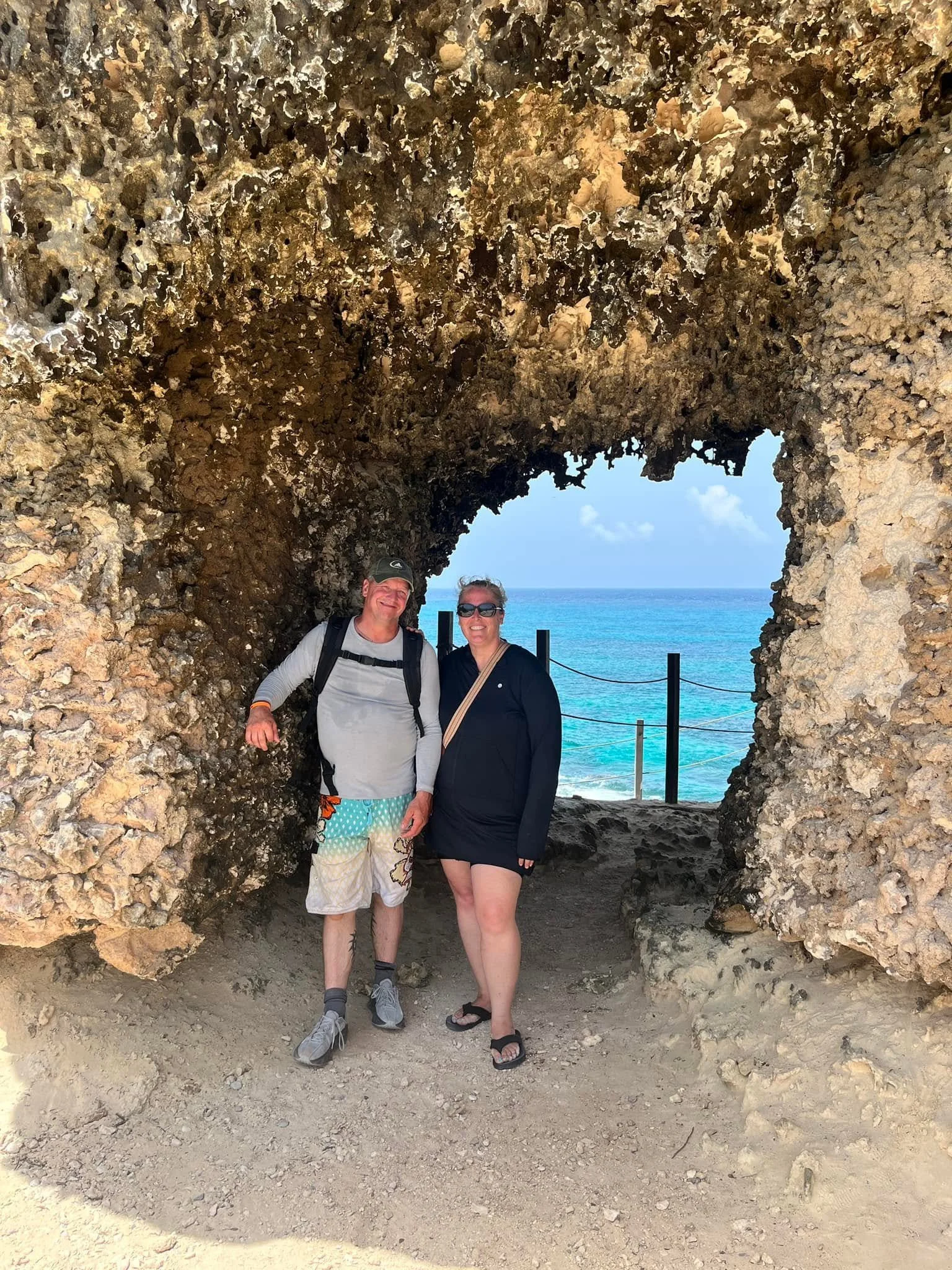
I Swam With Whale Sharks in Isla Mujeres — Here's How I Made a Bucket List Dream Work With My ADHD and Autistic Brain
A few years ago, whale sharks became one of my special interests. I'm not really sure why it happened, but once it did, it didn't let go. I started researching them every chance I got, and somewhere in that research rabbit hole, I learned something that changed everything: Isla Mujeres, Mexico, is one of the closest places in the world to swim with them, and the season runs through the summer.
That was the moment the bucket list item became a plan.
I want to tell you about that trip — the whale sharks, the golf cart adventures, the food anxiety, the missed airport transfer — but mostly I want to tell you how I planned it. Because if you're autistic or have ADHD (or both, like me), you already know that the gap between "I want to do this someday" and "I am actually doing this" can feel impossible to close. It doesn't have to be. You just need the right travel hacks for your brain.
It Started a Year Out, and That Was the Right Call
I started planning this trip a full year in advance. Not because I needed that long to book things, but because I needed that long to think. Big dreams need room to breathe when you're someone who processes things deeply and wants every detail figured out before you commit.
I found a whale shark tour company on TikTok that I'd been following for a while. I loved their videos from past excursions, so I messaged them directly and was booked within a few hours. Sometimes the best research isn't a spreadsheet — it's watching real footage from real trips until you find the people you trust.
The hack: If a big trip feels too big, give yourself permission to plan it slowly. There is no rule that says you have to book everything in one weekend. Let the dream stretch out. You'll catch details along the way that you would have missed if you rushed.
Picking the Right Itinerary Pace for Two Different People
Here's something I knew going in: my husband and I travel differently. He's always on the go — he does not do well sitting on a beach or by a pool for hours, and honestly, his energy pushes me out of my comfort zone in the best way. I knew if I wanted us both to actually enjoy this trip, I needed an itinerary with built-in movement, not just relaxation.
So instead of booking a big all-inclusive resort, I went into Facebook travel groups and searched specifically for hotels in Centro, the walkable town area of Isla Mujeres. Privileges Aluxes kept coming up again and again from real travelers, and once I looked into it, I understood why: it's not a luxury resort, it's not stuck in the middle of nowhere, and it lets you choose all-inclusive by the day instead of locking you in for the whole stay. Upgrading was $65 per person per day, which felt totally reasonable for what we got.
The hack: Don't force your trip into a one-size-fits-all resort mold. Ask yourself honestly — do I want full structure, full flexibility, or some of both? You're allowed to build a hybrid trip. Ours was: explore on foot, eat where we want, but have the option to go all-inclusive on the days we need it.
Day One Was a Sensory Reset Day, On Purpose
We took the ferry over and walked half a mile to the resort in 90-degree heat. I was soaked in sweat and a little overwhelmed from the airport and ferry hustle. I don't regret the walk, but I also knew immediately: I was not ready to explore the town that day.
So we didn't. We did all-inclusive that first day, had lunch and a few drinks at the beach club while we waited for our room, and had dinner at the resort's restaurant, Sabor (the pesto pasta might be one of the best dishes I've ever had, full stop). Staying close to "home base" on day one wasn't a backup plan — it was the plan.
The hack: Build a low-stimulation buffer day into the start of every trip, especially after travel days. You don't have to "earn" your rest by exploring first. Let your nervous system catch up before you ask it to take on something new.
The Whale Sharks: Two Hard Jumps, and Then the Moment I'll Never Forget
We met our guides at Perla Negra dock for the 1.5-hour boat ride out. We saw dolphin pods along the way, and when we reached the whale sharks, they were everywhere, swimming alongside manta rays.
I jumped in for my first swim and my mask immediately filled with water. I couldn't see, I was panicking a little, and the guide was calling for us to swim while I was just trying to get my mask sealed and catch my breath. The second jump went almost the same way. I was frustrated. I was disappointed. I had seen whale sharks, technically — but I wasn't experiencing them, and that's not the same thing.
Because the sharks were out in such good numbers that day, the crew offered to skip the coral snorkeling stop and give us one more jump instead. I was so upset at that point I wanted to cry. My husband said, "We're jumping again." So I followed him.
That third jump, everything clicked. My mask sealed. My snorkel worked. And right in front of me was a whale shark opening its enormous mouth, swimming straight toward me. I swam alongside him for the full length of his body. We went on to swim next to two more sharks before getting back in the boat.
I am so glad I didn't stop at frustrated.
The hack: When something you've dreamed about for years doesn't go perfectly on the first try, that's not the end of the story — it's data. Bring someone with you who can gently say "let's try again" when you don't have it in you to say it yourself. And build in extra attempts when you can; a tough start doesn't mean a tough whole trip.
Letting the Island Lead the Rest of the Trip
After the whale sharks, we stopped at Playa Norte for swimming and the best guacamole of the trip. That evening, margaritas on a terrace bar watching a World Cup game. The next day, a private golf cart tour of the island with a local guide, hitting a farmers market, the rainbow stairs, the bead collective, fresh handmade tortillas (some for us, some for the iguanas), Punta Sur, and the Soggy Peso — capped off with the best veggie tacos I've ever had.
We found Hidalgo Street and fell in love with it, eating our way down it more than once over the trip, including a mushroom parmesan risotto that I still think about. We had a true resort day too, with bagels off-site for breakfast, mimosas by the pool, a soaking tub on the patio listening to the live band, and an unexpectedly wonderful conversation with a Scottish World Cup fan we met at the pool bar.
The hack: Mix your itinerary like we mixed ours — adventure days, rest days, and "we'll decide when we get there" days. Variety isn't chaos when it's planned on purpose.
Food Anxiety Is Real, and Research Fixes It
I get genuinely nervous about food when I travel. Before this trip, I made sure to look into what kind of options would be available, and it paid off — almost every restaurant we tried had at least one or two vegetarian dishes I felt comfortable ordering. Knowing that ahead of time took so much pressure off.
The hack: If food anxiety is part of your travel stress, look up menus ahead of time, not just restaurant names. Knowing you can eat somewhere removes one more unknown from a trip that already has plenty.
When the Plan Falls Apart: The Airport Transfer
On our last morning, we caught the 7 a.m. ferry back to Cancún. We had a return airport transfer booked through the same company as our flights, but they never called, never answered, and never showed. We waited, then gave up and paid for a taxi instead. We later found out the transfer company showed up at 8:30 p.m. — they had the time wrong, even with our flight details in hand.
Four years ago, that kind of mix-up would have completely derailed me. This time, I wasn't shaken. I knew there was a real chance we'd need a backup plan, so when we needed it, I was ready, and we just executed it. (I'm still working on getting that transfer fee refunded — that part doesn't go away just because I handled it calmly.)
The hack: This is the big one. Build backup plans, and then build backup plans for your backup plans. It's not pessimism, it's preparation, and it's one of the most powerful tools an ADHD or autistic traveler has. When you've already mentally rehearsed "what if this falls through," you don't lose your whole day to it when it does.
The Real Takeaway
We didn't argue once on this entire trip. Not because everything went perfectly — it didn't — but because everything had been thought through ahead of time. I knew my limits. I knew my husband's needs. I knew where the soft landings were if something went sideways, because I'd already imagined them.
A bucket list dream that once felt too big to plan turned into one of the best trips of my life, whale sharks and all. If you're autistic or have ADHD and you've got a dream trip sitting in the back of your mind that feels too complicated to pull off — it isn't. You just need to plan it your way, on your timeline, with your hacks.
That's exactly what I help my Neurospicy Travel families do every day. If you've got a bucket list trip of your own, I'd love to help you build the plan that makes it actually happen.
Want help planning your own adventure with accessibility and sensory needs in mind? Head over to Neurospicytravel.org or send me a message — let's figure out your travel hacks together.
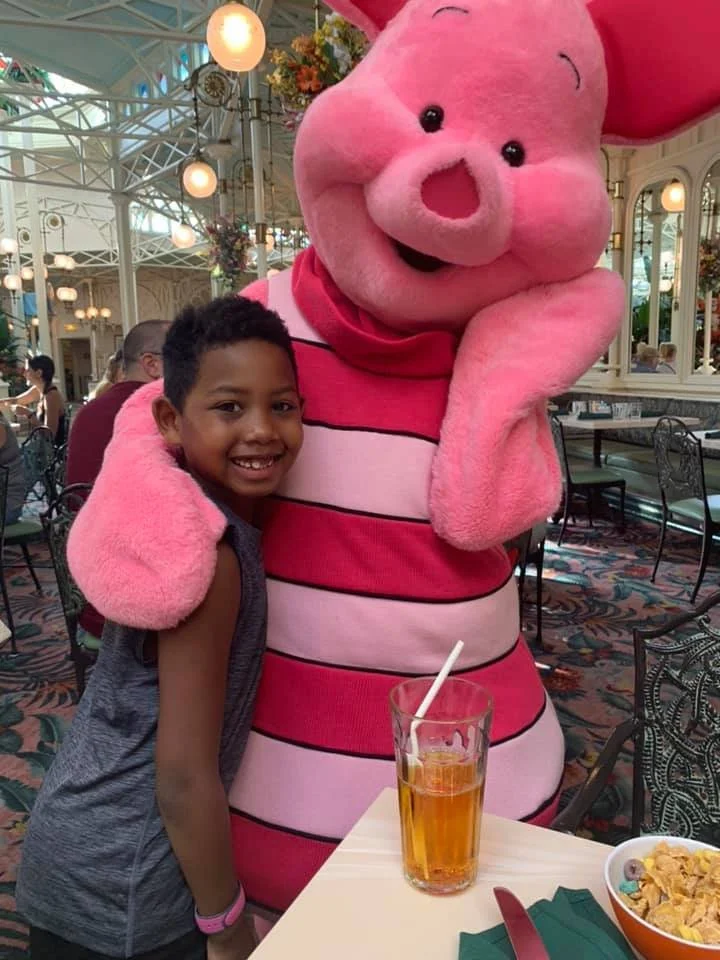
Is Disney ADHD/Autism Friendly?
If you're a Neurospicy parent (or a neurodivergent adult yourself), you've probably asked this question while staring at vacation photos online: can my family actually handle Disney? The crowds, the noise, the lines — it sounds like a lot. But here's the short answer: for many ADHD and autistic travelers, Disney can be one of the most accommodating vacations out there. Let's talk about why, and also be honest about where it might not be a perfect fit for everyone.
The Ways Disney Really Does Get It Right
Disney has spent years building tools specifically for guests who experience the world differently, and it shows.
The Disability Access Service (DAS). This is probably the single biggest game-changer for Neurospicy families. If a developmental disability like autism makes it hard to wait in a traditional line, DAS lets your family request a "return time" for a ride instead of physically standing in the queue. You wait somewhere more comfortable — shaded, quiet, near a snack — and come back when it's your turn. As of right now, DAS requires a short video chat before your trip (you can do this up to 60 days out), and that call is conducted by a third-party medical professional rather than a Disney cast member. You still don't need to submit any formal medical documentation or a doctor's note — the conversation is based on describing your child's needs — but be aware it's a more clinical screening than it used to be, and approval isn't guaranteed. DAS covers up to three immediate family members alongside the registered guest, and it needs to be renewed each year.
Lightning Lane access. Whether your family uses DAS or purchases Lightning Lane selections on top of it, cutting down wait times makes a real difference for kids who struggle with the unpredictability and sensory pile-up of standing in a packed queue for 45 minutes.
Sensory tools are welcome. Noise-canceling headphones, fidgets, weighted items, and stim toys are all fine to bring into the parks. Some families also use the Disney apps to preview ride sounds and visuals ahead of time, so nothing feels like a surprise.
Quiet spaces exist if you need them. Baby Care Centers and other low-key spots around the parks can double as a reset zone when things start to feel like too much.
Predictability through technology. The My Disney Experience app shows real-time wait times, ride details, and showtimes, which means you can plan the day around your kid's needs instead of guessing and hoping.
Cast members are trained. Most Disney cast members have some level of training around accommodating guests with disabilities, and many genuinely go out of their way to help.
But Let's Be Honest: It's Not One-Size-Fits-All
Here's the part we don't want to skip over, because every ADHD and autistic brain is different. Disney parks are still big, loud, bright, and crowded — that's just the nature of theme parks. For some kids and adults, the fluorescent lights, parade music, character costumes, or sheer number of people can tip straight into sensory overload, no matter how many accommodations are in place. Some neurodivergent travelers do better with shorter park days, a slower pace, or skipping Disney altogether in favor of something quieter. There's no wrong answer here — what works for one Neurospicy family might genuinely not work for another, and that's okay.
Why So Many Neurospicy Kids Still Have a Blast
Here's the thing though: for a lot of ADHD and autistic kids, the sheer excitement of Disney — the dopamine hit of seeing a favorite character, riding a roller coaster, or finally getting on "the ride from the movie" — outweighs the sensory noise in a big way. That rush of joy and novelty can be incredibly motivating, especially for ADHD brains that thrive on stimulation and big, exciting moments.
And when you pair that natural excitement with tools like DAS and Lightning Lane, you're removing one of the hardest parts for a lot of Neurospicy travelers: the waiting. Less time standing in a line means less time for frustration, meltdowns, or "are we there yet" energy to build up. More time actually doing the fun stuff. That combination — high excitement, low wait stress — is exactly why so many families come home saying Disney was easier than they expected.
A Few Tips If You're Planning to Go
Apply for DAS through Disney's website before your trip, and go into the video call ready to describe specific behaviors and needs — the screening is more clinical than it used to be, so vague answers are less likely to get approved.
Build rest breaks into your day on purpose, not just when someone's already overwhelmed.
Use the app to preview rides and shows so there are fewer surprises.
Pack the sensory tools that already work for your family — headphones, sunglasses, a favorite snack, whatever helps.
Consider a shorter park day or a midday hotel break instead of trying to do "everything."
The Bottom Line
Disney isn't automatically perfect for every ADHD or autistic traveler, and it's worth going in with realistic expectations about sensory overload. But between DAS, Lightning Lane, sensory-friendly tools, and the genuine excitement Disney magic tends to spark, it's set up to work with a lot of Neurospicy brains instead of against them. If you're not sure where to start, that's exactly the kind of planning we love digging into at Neurospicy Travel — matching the trip to your family's real needs, not a one-size-fits-all itinerary.